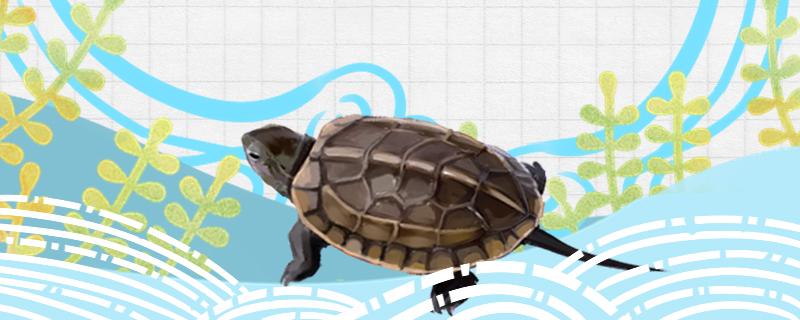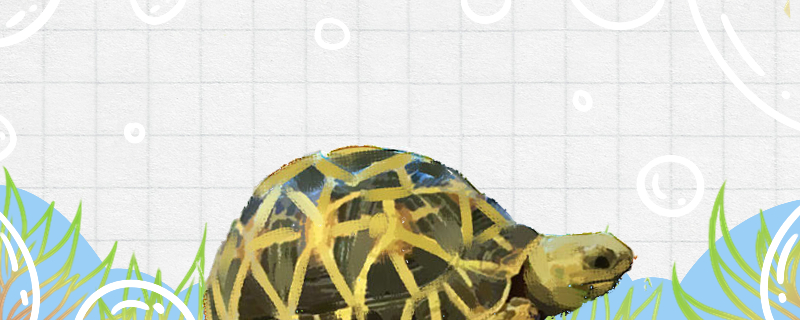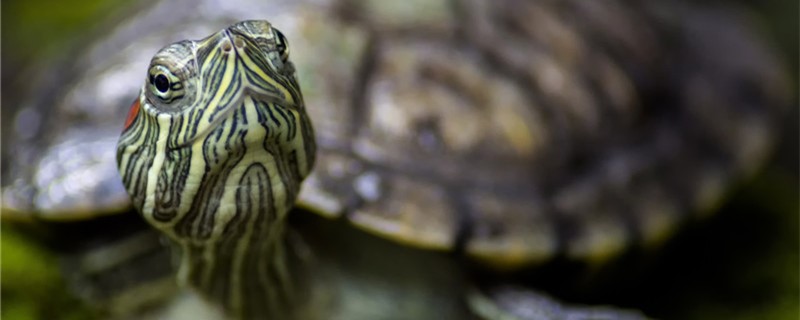
There are many ways for terrapins to distinguish between males and females. If it is the same species of tortoise, the age is generally large, the female tortoise tends to be a little larger, at the same time, its back is more round, tail is very short, abdominal armor is relatively flat. The male tortoise is slightly smaller, with a long tail and a concave central position of the plastron. In addition, adult terrapins, you can see its cloaca, the female is at the rear edge of the plastron, while the male is far away from the plastron.
1, breeding season: terrapin breeding is a special breeding season, usually around April, when the temperature is appropriate, turtles are more likely to estrus. It should be noted that reproduction is mainly related to temperature, if the temperature is relatively low, the desire to reproduce is relatively small, so we must maintain a constant temperature.
2. Pair spawning: Before preparing for reproduction, male and female turtles need to be raised together to cultivate their feelings. It should be noted that turtles need sand to lay eggs, otherwise they will lay eggs in the water. In order to ensure their health, water and sand should be changed frequently.
3. Waiting for hatching: If the environment of sandy soil is good, you can keep warm and moist, and you can put it inside for hatching. However, it is better to prepare an artificial hatching box. Spread sand on the bottom. After putting in the fertilized eggs, cover them with fine sand and towels, and spray water regularly to keep moist. In this way, they will hatch.