 When does the tortoise hibernate
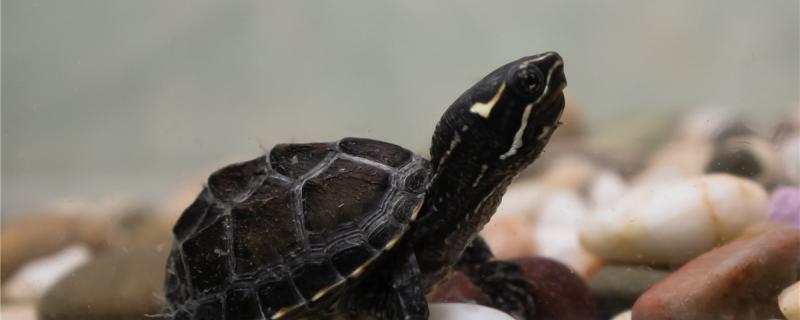
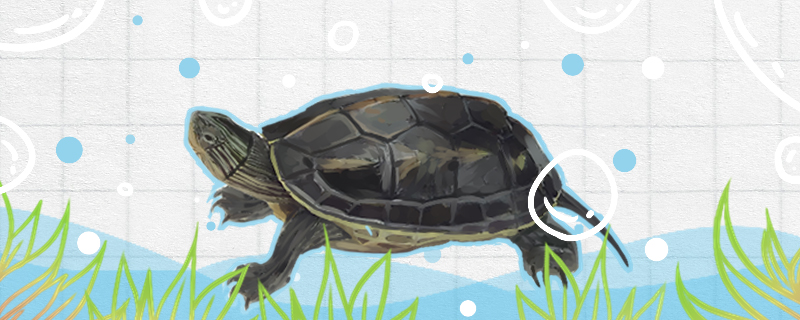
 The tortoise usually hibernates in winter, but as long as the temperature is relatively low, it will enter a state of hibernation. Under natural conditions, after October, as the temperature gradually decreases, the vitality of the tortoise will gradually fade, and the amount of food will begin to decline, until the temperature drops to 10 C, it will stop feeding, and enter hibernation, until early April, the temperature rises, it will wake up from hibernation, and look for something to eat.
1. Supplement nutrition: Before preparing for hibernation, domestic turtles must supplement nutrition in advance in order to give them enough energy to survive the winter. Usually from the end of autumn, it is necessary to properly increase the amount of feeding, because it will lose weight during hibernation, if the body is too thin, may not survive the winter.
2. Stop eating and soak in water: In the two weeks before the tortoise hibernates, you need to stop eating first, so that it can enter the hibernation state. After a week, you can put it in warm water for a soak to promote its intestinal emptying, otherwise it will cause intestinal diseases.
3. Cooling and hibernation: The tortoise in hibernation period is generally not in the water. It needs to be prepared with a layer of sand with enough thickness so that it can get inside. The temperature should be well controlled. Usually, it should not exceed 10 ℃, but it should not be too cold. Water should be replenished once a week to keep the sand wet.